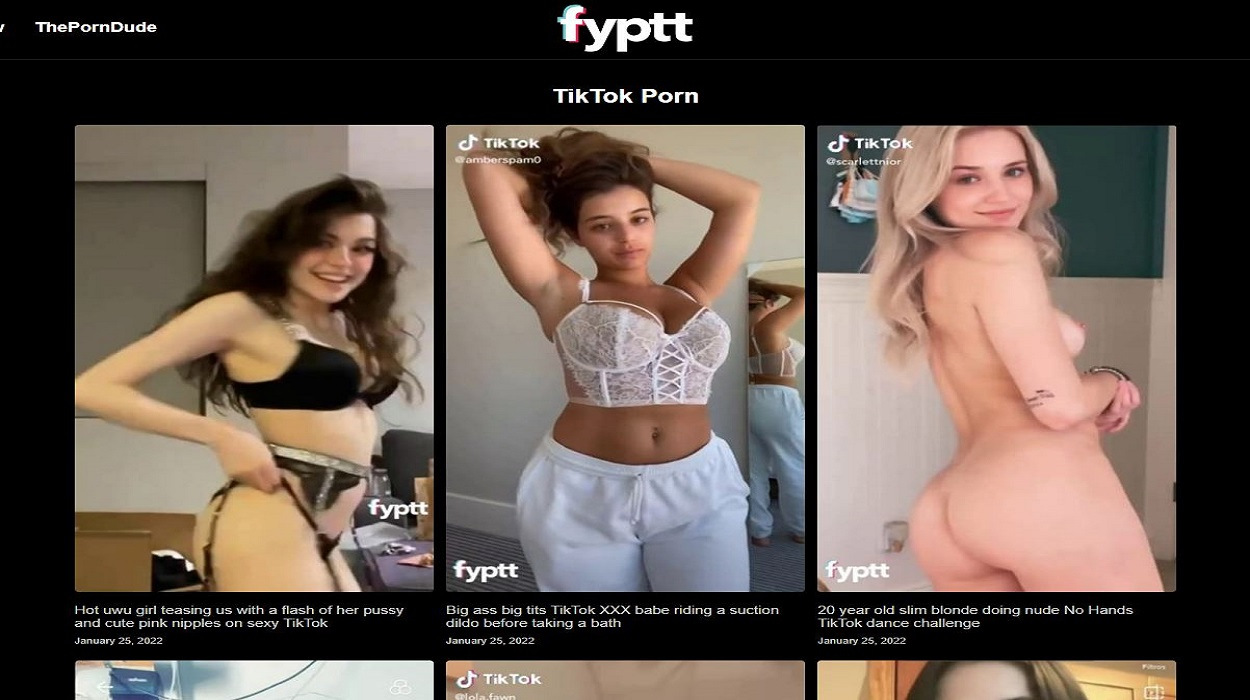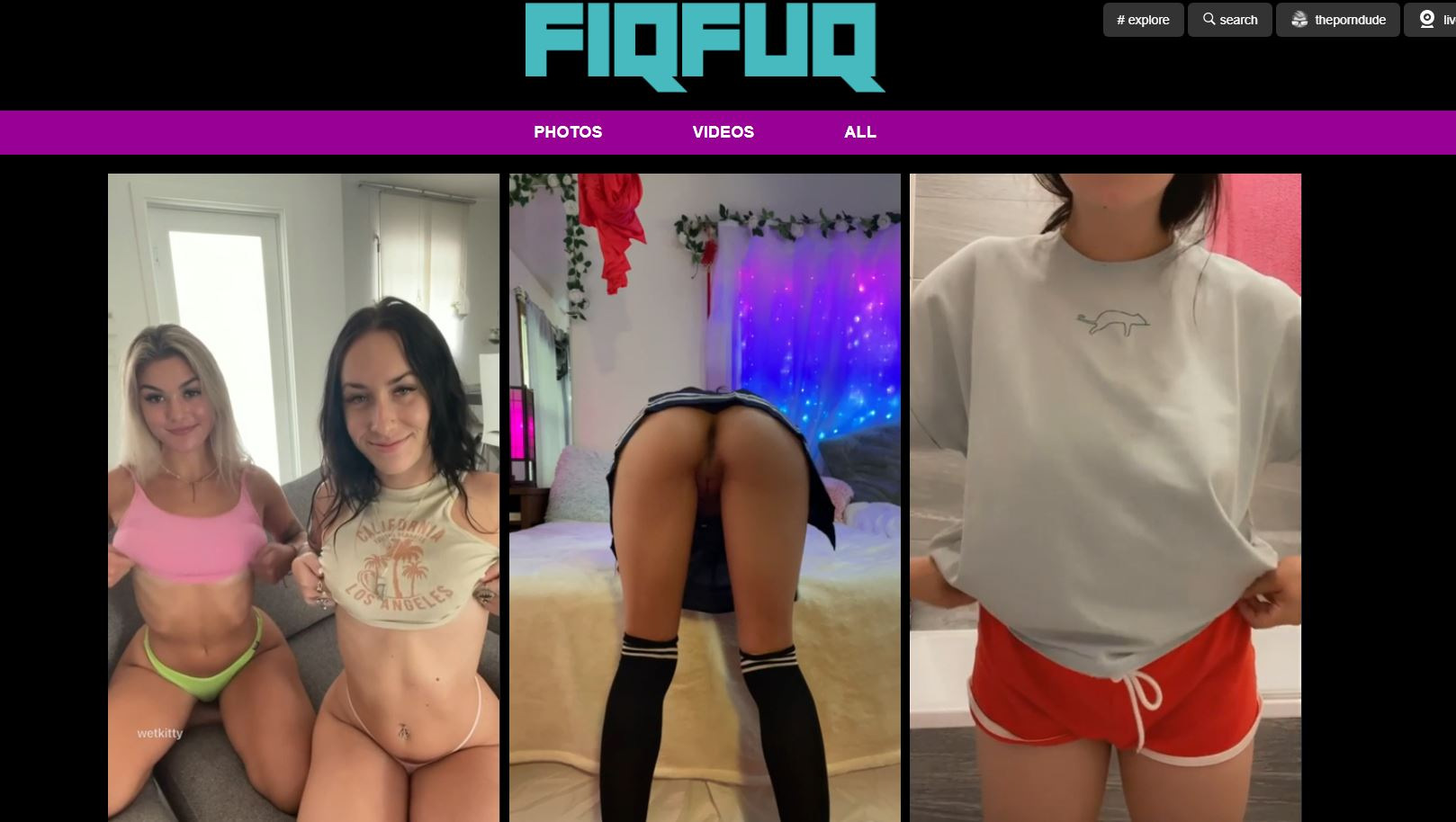

Let's start with the obvious: TikTok itself doesn't host porn. The platform bans adult content aggressively, so if you're hunting for explicit material with that familiar vertical-scroll vibe, you're not going to find it on the official app. What you *will* find is a sprawling ecosystem of copycat sites that have co-opted TikTok's branding, interface, and cultural cachet to funnel horny users toward short-form adult content.
Sites like tik.porn, tikfap.com, and pin.porn have built their entire user experience around TikTok's signature mechanics: vertical video, swipe-to-navigate interfaces, and mobile-first designs that feel native to your phone. The aesthetic is unmistakable—minimal chrome, autoplay videos, and that hypnotic infinite scroll that keeps thumbs moving and eyes glued. On touchscreen devices, it feels natural. On desktop? Less so. Trying to navigate these sites with a mouse and keyboard is like using chopsticks to eat soup: technically possible, but clearly not what the designers had in mind.
The content itself is a mixed bag of aggregation and opportunism. Most clips are ripped directly from creators' OnlyFans or Fansly accounts, or siphoned from larger tube sites. These are stolen snippets—teasers without context, often stripped of watermarks and creator attribution. Some uploads, however, serve a different function: they're promotional previews uploaded by the creators themselves or affiliate marketers, embedded with tracking links that funnel users toward paid subscriptions. You'll often see banners and overlays directing you to "see the full video" on premium platforms, turning the site into a loss-leader funnel rather than a destination.
The business model is transparent: capitalize on TikTok's massive cultural footprint and the inevitable search traffic from users typing "TikTok porn" into their browsers. These sites aren't trying to build communities or support creators; they're traffic arbitrage machines designed to capture high-intent visitors and monetize them through ads, redirects, and affiliate commissions.
And oh, the ads. These sites are digital minefields of pop-ups, pop-unders, banner overlays, and autoplay video advertisements that assault your speakers. Close one window, three more open. Click a video, trigger a redirect. The user experience is deliberately hostile—because you're not the customer, you're the product being sold to advertisers and affiliate networks.
This brings us to the security reality: for every semi-functional aggregator, there are dozens of malicious clones designed to install malware, hijack browsers, or phish for personal data. The "trusted sites"—those with established reputations, HTTPS security, and relatively clean ad experiences—represent a small minority of what's actually out there. Most users stumble into these ecosystems blind, clicking through sketchy search results that promise TikTok-style content but deliver crypto miners and credential harvesters instead.
So yes, TikTok porn sites exist. They're popular, they're profitable, and they perfectly illustrate how internet culture cannibalizes itself—taking the frictionless dopamine delivery of social media and applying it to adult content. Just know what you're actually engaging with: an ad-supported, content-aggregating shadow economy that trades on stolen clips, aggressive monetization, and the eternal promise of the next swipe.